
Belief in Cryonics Places Stress on Relationships
Peggy Jackson, a hospice worker, deals with death every day and tells families what to expect and how to reduce discomfort. She hates the phrase “giving up,” and believes that people should let go peacefully.
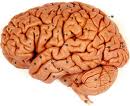
Her husband, Robin Hanson, teaches economics and is very excited about the future. He has invented a form of government called a “futarchy” and he believes that he will have a better chance of experiencing such a government if he participates in cryonics; he wants his brain frozen and preserved for the future.
Their differing opinions about death cause Peggy great grief, but the couple tries to avoid the topic, and Robin keeps a separate bank account so that Peggy doesn’t see his annual dues to the cryonics lab.
Peggy’s reaction is known as the “hostile-wife phenomenon” to cryonics-believers, most of whom are unreligious males. There are several theories as to why people are against cryonics, including the one that family members who do not believe in cryonics feel betrayed and abandoned. Robin longs to live in the future without those currently in his life, which can be interpreted as placing little value on his relationships.
See Kerry Howley, Until Cryonics Do Us Part, N.Y. Times, July 5, 2010.