
Consequences of Spousal Refusal
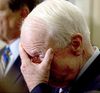
At the time of his decision Tung did not know that the state, in an effort to recover the cost of care, could sue the healthy spouse that opted for spousal refusal. Tung, because of his frugal saving, had $550,000 in mutual funds and stocks. He ended up negotiating a settlement with the state for $150,000.
Despite the potential negative consequences, many individuals continue to opt for spousal refusal when a spouse requires nursing home or custodial care.
Without the option of spousal refusal, lawyers say, American health care is like a ghoulish lottery. Those who need doctors’ care for illnesses like cancer or heart disease are covered by Medicare, the insurance program for the elderly, while those who need more custodial care for Alzheimer’s or stroke must pay for it themselves or dispose of their assets to qualify for Medicaid.
Anemona Hartocollis, Full Wallets, but Using Health Program for Poor, N.Y. Times, Dec. 10, 2010.
Special thanks to Joel Dobris (Professor of Law, UC Davis School of Law) for bringing this to my attention.