
Planning for Succession of Art, Antiques, and Collections
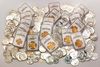
- Maintain and routinely update an inventory of art, antiques, and collectibles
- Have an appraiser give a qualified appraisal and valuation of the items
- Maintain records of purchase and sale transactions, authentication documents, and historical documents concerning the items
- Identify charities you would like the items to pass to and decide how you would like the succession to proceed (e.g. in trust or an outright gift)
- Stay in the know of who is selling and buying similar items by familiarizing yourself with appraisers, museum curators, dealers, and other collectors
- Insure your items against loss or damage
- Discuss various estate planning strategies with estate planning advisors and ensure that the advisors know the extent of your collection
- Determine if you have a capital gains issue by assessing individual pieces in our collection
- Discuss with your children whether they would like specific pieces or would rather receive the cash value of the pieces instead
See Michael Mendelsohn and Paige Stover Hauge, Preserving the Value of Your Art Collection: Tips for Effective Art Succession Planning, Wealth Management Exchange, Feb. 27, 2008.
Special thanks to Jim Hillhouse (WealthCounsel) for bringing this article to my attention.
Posted in: