
How the brain works when making charitable gifts
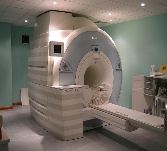
Here is the abstract of their article:
This first ever functional magnetic resonance imaging (fMRI) analysis of charitable bequest decision-making found increased activation in the precuneus and lingual gyrus of the brain compared to charitable giving and volunteering decisions. Greater lingual gyrus activation was also associated with increased propensity to make a charitable bequest. Previous studies have shown that activation of these brain regions is related to taking an outside perspective of one’s self, recalling the recent death of a loved one, and recalling vivid autobiographical memories across one’s life. We propose that bequest decision-making is analogous to visualizing the final chapter in one’s autobiography and that fundraisers may do well to emphasize donors’ autobiographical connections with the charity. Due to inherent mortality salience, people may resist creating this final chapter, but once engaged may seek to leave an enduring legacy.
Although this article is written with a focus on charitable estate planning (due to the intended journal audience), the results apply to both family and charitable beneficiaries as both were included in the experiment, and so is actually more of a general estate planning experiment.