
Book on Long-Term Care
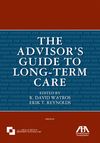
R. David Watros & Erik T. Reynolds recently published abook entitled, The Advisor’s Guide toLong-Term Care. Provided below is adescription of the book provided by the American Bar Association Web Store:
Waiting to address long-term care needs until thepoint one actually needs care is too late, as it significantly impacts aclient’s financial situation, quality of life of their loved ones, and theirability to maintain their independence. Incorporating long-term care insuranceinto the financial plan can ultimately help protect assets reduce the burden ofcare that would otherwise fall on family members, and enable the client toreceive care in the setting they most prefer, including their home. TheAdvisor’s Guide to Long-Term Care looks at the full range of the topic,explaining how to best use it in the estate plan as a prudent risk-managementchoice.
Statistics point to the high probability thatpeople are likely to need extended health care at some point in their life. TheAdvisor’s Guide to Long-Term Care is intended to help estate planners andadvisors to address these issues with their clients, establishing the issuesand trends for care and covering all relevant issues involved in the fundingand planning for this insurance. This helps the advisor establish a plan thatwill place the family back to where they were emotionally, physically, andfinancially, as best as possible prior to a long-term care event occurring.
Starting with the funding of long term care, oneof the most essential important factors to consider, the authors clearlyexplain the different options for self-funding, governmental programs such asMedicare, Medicaid, veteran_s benefits, and the Federal Long-Term careinsurance program, as well as other funding considerations. Tables and figuresmake the details involved in these choices clear and accessible.
Subsequent chapters examine key issues inlong-term care insurance, legislation that has affected the insurance, such asHIPAA and the PPA, taxation, and issues to consider in selecting a long-termcare insurance company. The authors consider using long-term care for estateplanning and wealth preservation and a discussion of employer’s options andbenefits in establishing long-term care coverage for their employees.