
How the OBBBA Will Affect Charitable Planning and Tax-Exempt Organizations
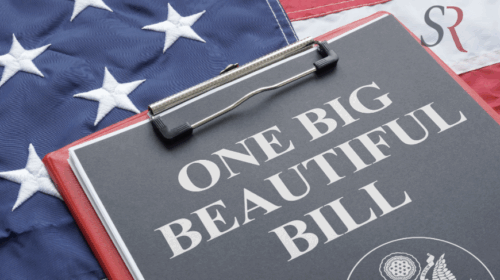
The signing of the One Big Beautiful Bill Act (OBBBA), Pub. L. No. 119-21, on July 4, 2025, has ushered in a wave of policy updates and prognostications about the future of estate planning. To be sure, updates such as further increasing the federal unified credit will continue to shift estate planners’ focus toward income tax planning. Although the 2017 elimination of many itemized deductions is now permanent, the charitable deduction once again survived.
Unlike in 2017, however, it appears charitable giving may not have emerged completely unscathed. New restrictions on charitable giving and exempt organizations will directly affect the sector. Additionally, other indirect—although potentially more potent—provisions of the OBBBA may impact giving going forward.
A major portion of the OBBBA focuses on excise tax changes for tax exempt organizations. The law modifies the excise tax on investment income for private colleges and universities. It also raises the student threshold for applicability from 500 to 3,000, likely reducing the number of affected schools. At the same time, it expands the definition of net investment income to include student loan interest and certain federally connected royalties. It also broadens the excise tax on excess compensation.
The OBBBA changes charitable contribution deductions for both individuals and corporations. For individual nonitemizers, section 70424 creates a new deduction for cash contributions up to $1,000 per person or $2,000 for joint filers, limited to public charities. Itemizers retain the ability to deduct cash gifts up to 60 percent of adjusted gross income, but deductions are permitted only for contributions exceeding 0.5 percent of AGI and the benefit is capped at a 35 percent marginal rate. Corporate taxpayers face new limits as well. Beginning in 2026, corporations can deduct charitable gifts only to the extent they exceed 1 percent of taxable income, and amounts under the floor carry forward only under limited circumstances.
Several other OBBBA provisions may influence charitable giving. The state and local tax deduction cap increases to $40,000 through 2029, potentially shifting the number of taxpayers who itemize in high tax states and encouraging charitable giving among them. The permanent increase to the standard deduction, however, will likely reduce overall itemization rates. Historical data suggests that higher standard deductions significantly reduce the number of taxpayers claiming charitable contributions. At the same time, new incentives for high-net-worth individuals, including expanded Qualified Small Business Stock provisions and additional Qualified Opportunity Zones, may diminish the need for charitable giving as a tax reduction strategy.
Although the new OBBBA rules require some additional consideration and thought to maximize the tax benefits of charitable giving, the most important tenets of philanthropy remain intact. We expect many donors and organizations will want to proceed without pause, giving generously in furtherance of their values. Accordingly, assisting clients to implement charitable planning will truly be an art and a science going forward. The best estate planners will demonstrate finesse and nuance, understanding both the limitations on tax deductibility and their client’s desire to give anyway.
For more information see Carly Doshi and Helen Cheng “How the OBBBA Will Affect Charitable Planning and Tax-Exempt Organizations,” ABA Probate and Property Journal, November 3, 2025.