
Should You Use Artificial Intelligence to Write Your Will?
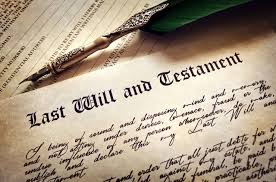
AI tools can draft a will in seconds, but that doesn’t mean they should. Estate attorney Vanessa L. Kanaga, quoted in U.S. News & World Report, cautions against relying on AI for something this important. While the idea of a free, fast alternative to hiring a lawyer is tempting, the risks often outweigh the savings.
One major concern is that AI-generated wills are easier to challenge and more likely to contain subtle legal errors. What looks like straightforward language can be ambiguous or incorrect, potentially allowing unintended heirs or creditors to claim part of an estate. Even small wording mistakes can cause a will to fail to carry out the person’s true intentions.
There’s also the issue of privacy. Information entered into AI tools is not confidential and may be used to train future responses. When the document in question determines how your assets are distributed after you’re gone, the stakes are simply too high to gamble on automation. For now, your last will and testament is one place where the human touch still matters.
For more information see “Should You Use Artificial Intelligence to Write Your Will?” frankeatseaside.org, July 3, 2025.