
Don’t Call Them Retirement Communities
[Special thanks to Lewis Saret (Attorney, Washington, D.C.) for bringing this article to my attention.]
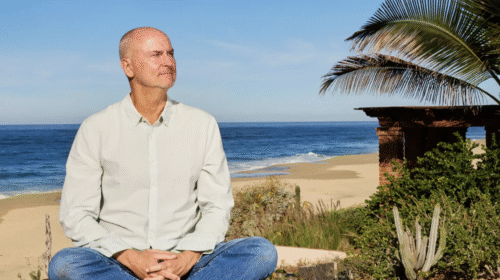
Chip Conley, founder of the Modern Elder Academy (M.E.A.), was inspired by the idea of community living later in life, similar to what was portrayed in the sitcom “The Golden Girls.” Although he only watched a few episodes, he was drawn to the independence and camaraderie among the women. He saw it as a model for how older adults could live together while maintaining agency, friendship, and a sense of fun.
Conley co-founded M.E.A. in 2018 with the goal of reframing aging as a period of growth and transformation rather than decline. The organization offers workshops and retreats focused on purpose, transitions, and personal development for people generally in the second half of life. Since its founding, thousands have participated in programs at campuses in Mexico and New Mexico, building a strong community of like-minded individuals.
The idea of extending that community into shared living spaces came from co-founder Jeff Hamaoui. This led to the creation of Baja Sage, a small housing development primarily made up of female M.E.A. alumni. The homes sold quickly, showing strong interest in alternative living arrangements for older adults. Surveys later revealed that many participants were open to co-living, with a large majority preferring it over living alone or in traditional retirement communities.
Building on this demand, Conley began developing shared rental homes near the Santa Fe campus. These homes are designed to balance private living spaces with shared common areas, encouraging connection while maintaining independence. M.E.A. also plans to help match residents based on shared values and interests, creating intentional communities centered around support, stability, and personal growth.
For many participants, the appeal of these communities is rooted in a desire for connection and purpose later in life. Individuals considering the housing option say it offers both emotional support and a sense of belonging. Conley and others involved hope this model will grow into a broader movement, redefining aging as a time for meaningful relationships and continued engagement with life.
For more information see Dina Cheney “Don’t Call Them Retirement Communities,” The New York Times, March 30, 2026.