
Effect of Ruling Regarding Kerouac’s Estate Questioned
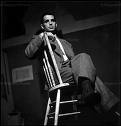
When Jack Kerouac died, he left everything to his mother, Gabrielle. When she died, she left everything, including Jack’s literary estate, to Stella Sampas, Jack’s third wife, who then left it to her six siblings. In 1994, Kerouac’s only daughter, Jan Kerouac, asserted that her grandmother Gabrielle’s will was forged, and filed a lawsuit. She died two years later, but Paul Blake Jr., the writer’s nephew, continued the litigation.
In his July 24 ruling, Florida Judge George Greer concluded: “Gabrielle Kerouac was not a well woman when her purported will was signed. Clearly, Gabrielle Kerouac was physically unable to sign the document dated February 13, 1973, and, more importantly, that which appears on the Will is not her signature. Her last will and testament is a forgery.”
. . .
“The practical effect of this ruling appears to be none,” said John Sampas, executor of Kerouac’s estate.
. . .
Bill Wagner, the attorney for Paul Blake Jr. – who has been homeless and now lives in a trailer home – said it is unlikely that anything already sold by the Sampas family can be reclaimed.
“If you don’t contest a will over a certain period of time, it’s considered to be valid,” said Wagner, referring to Stella Sampas’ will. “So more likely than not, Kerouac’s raincoat will stay with Johnny Depp and the money he paid for it will stay with the Sampases.”
Wagner said he will pursue book royalties for his client. In addition, he plans to ask the Sampases for a detailed list of what remains of the Kerouac archive.
The article also provides a summary of some of the author’s works and interesting facts about the author. An interview with Jack Kerouac can be found here.
Special thanks to Joel Dobris (Professor of Law, UC Davis School of Law) for bringing this article to my attention.